

Taming social media misinformation,
In Nigeria, social media misinformation is no longer a hypothetical threat; it is a lived reality. During elections, fabricated results inflame partisan tensions, while in periods of insecurity, recycled videos of past conflicts trigger fresh panic. Public health also suffers as unverified cures spread faster than medical advice. In these high-stakes moments, misinformation shapes behaviour and distorts the democratic process long before the truth can intervene.
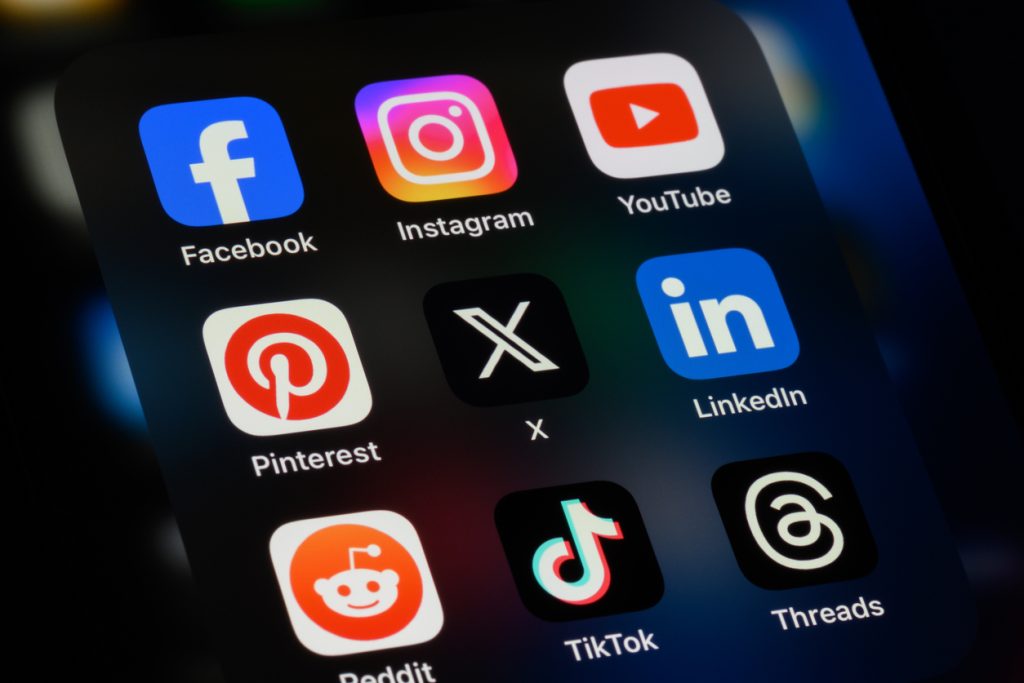
As we move closer to the 2026/2027 general electoral cycle, with the political machinery already gearing up for the 2027 campaigns, the digital public square has become our most influential arena. Platforms like X and Facebook have democratised expression, yet this influence creates a profound friction between the need to curb harm and the imperative to preserve free speech. While the government’s concerns regarding hate speech and coordinated disinformation are valid—particularly in a diverse and politically sensitive nation—the danger lies in how regulation is defined and enforced. The 2021 Twitter suspension remains a cautionary tale of state power silencing legitimate discourse under the guise of national security.
As we enter an era where “deepfakes” and AI-driven propaganda can target voters with surgical precision, the urge to clamp down will be strong. However, freedom of expression must not be the casualty of security. Limits on speech must be precise, transparent, and rooted in law, not political convenience or self-help. Regulatory frameworks must be subject to judicial review and strictly insulated from executive interference. Otherwise, laws intended to protect the ballot risk becoming tools to suppress dissent. Furthermore, social media companies cannot be the sole arbiters of truth. Their profit-driven algorithms often prioritise engagement over accuracy, yet they frequently lack the cultural context to moderate Nigerian discourse effectively.
A balanced approach is required. The government must enact narrowly targeted laws addressing genuine threats, such as incitement to violence, while safeguarding the right to criticize those in power. Civil society must remain vigilant, and citizens must embrace digital literacy to navigate the coming campaign storm. A democratic society must be noisy, and Nigeria’s strength lies in its plurality of voices. The goal should not be to silence that noise, but to ensure that truth can rise above it. To promote freedom of expression while mitigating harm, we should look toward community-led verification networks. Centralised moderation often fails to catch local nuances, but by supporting trusted local leaders and legacy media to verify information within their own social circles and indigenous languages, truth can reach the same encrypted channels where misinformation thrives.
Additionally, mandating algorithmic transparency would allow users to choose chronological or vetted feeds over engagement-based ones. This empowers the citizen to control their own information intake, naturally throttling the reach of sensationalist disinformation without the need for state-led bans or censorship.
The post Taming social media misinformation appeared first on Vanguard News.
,
In Nigeria, social media misinformation is no longer a hypothetical threat; it is a lived reality. During elections, fabricated results inflame partisan tensions, while in periods of insecurity, recycled videos of past conflicts trigger fresh panic. Public health also suffers as unverified cures spread faster than medical advice. In these high-stakes moments, misinformation shapes behaviour […]
The post Taming social media misinformation appeared first on Vanguard News.
, , Emmanuel Okogba, {authorlink},, , Vanguard News, May 6, 2026, 1:29 am
