




The Strait of Hormuz must stay open,
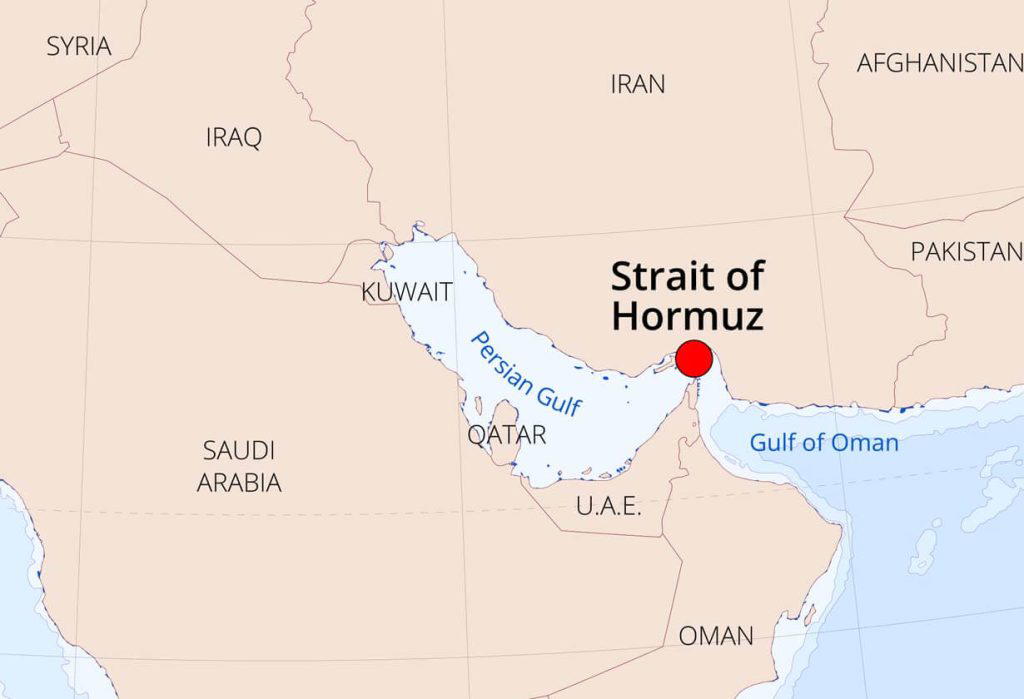
The Strait of Hormuz is the world’s most critical oil chokepoint, and its uninterrupted flow is essential to global stability. Every day, approximately 21 million barrels of crude oil—roughly 21 per cent of global petroleum consumption—pass through this narrow waterway between Iran and Oman. To nickname it a “special international waterway” and treat it as a universal resource is not a mere geostrategic fiction but an economic necessity. The strait must never again face closure, and all nations must act to ensure its permanent openness.
History shows that closures, even threatened ones, trigger global economic shocks. In 2019, when tensions flared and Iran threatened to block the strait, Brent crude jumped 10 per cent within days. In 2022, a partial slowdown in shipments caused a 7 per cent rise in global oil prices and increased freight costs by 15 per cent. The world’s economy always suffers at least four major consequences during bottleneck periods: oil prices surge, inflation accelerate, shipping corridors are rerouted at enormous cost, and energy-dependent sectors like manufacturing and agriculture face input shortages. The reopening of any disrupted flow brings immediate relief. When the strait’s traffic resumed fully after the 2019 incident, oil prices stabilised within 48 hours, shipping costs fell by 12 per cent, and global supply chains regained liquidity. Yet relying on temporary resolutions is dangerous. The strait’s narrow geography—only 33 kilometres wide at its tightest point, with two 3-kilometre shipping lanes—makes it vulnerable to blockade, missile threats, or sabotage. No single nation should hold the world’s energy supply hostage like this.
The strongest solution is to redesign the Strait of Hormuz as a special international waterway under UN and International Maritime Organisation (IMO) oversight, governed by universal access rules that prohibit closure for any political or military purposes. A multinational naval patrol, similar to the Model Gulf Security Initiative, could ensure continuous monitoring and rapid response to threats. This framework would depoliticise the strait and shield it from regional conflicts. At the same time, countries must reduce dependency by diversifying supply routes. Saudi Arabia’s East-West Pipeline, the UAE’s Fujairah terminal, and Russia’s Arctic LNG projects offer alternatives. Expanding renewable energy and electric mobility would further diminish global reliance on Middle Eastern oil.
Middle Eastern nations must learn from the devastation Iran has faced over the past year at the hands of President Donald Trump’s United States and Prime Minister Benjamin Netanyahu’s Israel. The cost of extreme ideologies is measured in destroyed infrastructure, economic collapse, and human losses. Peace and development must replace confrontation. Prioritising regional stability, economic cooperation, and diplomatic engagement will protect neighbors and the world. The Strait of Hormuz is not Iran’s, America’s, or Israel’s. It is a global geographic resource. Its permanent accessibility to all is non-negotiable.
The post The Strait of Hormuz must stay open appeared first on Vanguard News.
,
The Strait of Hormuz is the world’s most critical oil chokepoint, and its uninterrupted flow is essential to global stability. Every day, approximately 21 million barrels of crude oil—roughly 21 per cent of global petroleum consumption—pass through this narrow waterway between Iran and Oman. To nickname it a “special international waterway” and treat it as […]
The post The Strait of Hormuz must stay open appeared first on Vanguard News.
, , Emmanuel Okogba, {authorlink},, , Vanguard News, June 24, 2026, 11:23 pm